Zoo Sex Tv - Free !!exclusive!! Animal Porn- Animal Sex- Zoo Porn- Dog Porn.flv Jun 2026
The intersection of wildlife, technology, and entertainment has redefined how the public engages with animals. No longer restricted to physical visits, "Zoo TV" and digital animal media content in 2026 have evolved into a sophisticated, multi-platform ecosystem blending conservation education with high-stakes engagement. Modern zoo media now leverages advanced digital infrastructures, AI personalization, and immersive technology to connect global audiences with animal welfare efforts. The 2026 Landscape of Animal Entertainment
The relationship between humans and animals has migrated from ancient cave walls to high-definition television and smartphone screens. Today, "Zoo TV" and animal-centric media content represent one of the most lucrative, engaging, and ethically complex sectors of global entertainment. From traditional nature documentaries to live-streaming wildlife cams and viral TikTok trends, media content featuring animals shapes public perception, drives multi-million dollar economies, and impacts global conservation efforts. The Evolution of Animal Media: From Broadcast to Broadband The 2026 Landscape of Animal Entertainment The relationship


Call us (08:30-16:00 UK)
01803 865913International
+44 1803 865913Need Help?
Help pages
Wildlife Survey & Monitoring
- Aquatic Survey & Monitoring
- Professional Hand & Kick Nets
- Water Testing
- Waders & Aquatic Safety
- View All
- Amphibian & Reptile Survey
- Amphibian Survey & Monitoring
- Reptile Survey & Monitoring
- Scales, Balances & Holding Bags
- View All
Field Guides & Natural History
Academic & Professional Books
- Evolutionary Biology
- Evolution
- Human Evolution & Anthropology
- Cladistics, Phylogeny & Taxonomy
- View All
British Wildlife
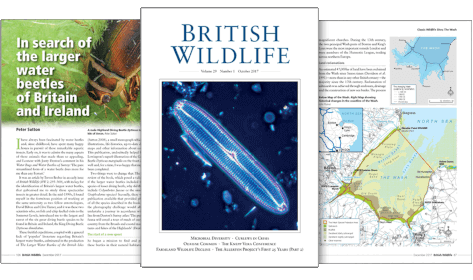
British Wildlife is the leading natural history magazine in the UK, providing essential reading for both enthusiast and professional naturalists and wildlife conservationists. Published eight times a year, British Wildlife bridges the gap between popular writing and scientific literature through a combination of long-form articles, regular columns and reports, book reviews and letters.
Conservation Land Management
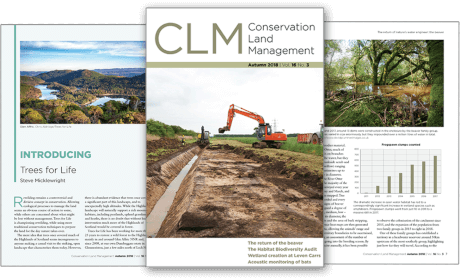
Conservation Land Management (CLM) is a quarterly magazine that is widely regarded as essential reading for all who are involved in land management for nature conservation, across the British Isles. CLM includes long-form articles, events listings, publication reviews, new product information and updates, reports of conferences and letters.