Plik GTA San Andreas Widescreen Fix v.16052020 to modyfikacja do gry Grand Theft Auto: San Andreas. Pobierz za darmo.
Typ pliku: Mody do gier
Rozmiar pliku: 1.2 MB
Aktualizacja: 29 września 2022
Pobrań: 15.8K
Ostatnie 7 dni: 63
Problem z pobieraniem? [email protected]
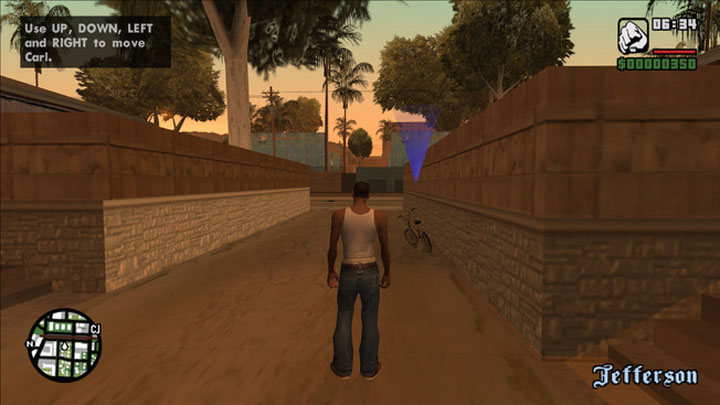
GTA San Andreas Widescreen Fix to modyfikacja do Grand Theft Auto San Andreas, której autorem jest ThirteedAG.
Opis:
Produkcja trafiła na półki sklepów w 2004 roku, dlatego nikogo nie powinno dziwić, że nie pozwala na zabawę w wysokich rozdzielczościach szerokooekranowych, które są standardem na współczesnych monitorach. Ten mod uzupełnia tę brakującą funkcjonalność. Co godne pochwały, udało się to zrobić nie tylko z trójwymiarowymi elementami, ale również z dwuwymiarowym interfejsem.
Aby zainstalować moda:
Wypakuj archiwum do folderu z grą i wyraź zgodę na podmianę plików.
How to Access the http 192.168.l.l Link: Router Admin Setup and Troubleshooting Guide If you are looking to configure your home Wi-Fi, change your password, or update router settings, you have likely come across the address http://192.168.l.l (commonly intended as 192.168.1.1). This IP address serves as the default gateway for many major router manufacturers, allowing users to access the Router Admin Console . This article provides a comprehensive guide on how to use the http://192.168.l.l link to manage your network, what to do if it isn't working, and how to change your settings securely. What is the http://192.168.l.l Link? The address 192.168.1.1 (or often mistakenly typed as 192.168.l.l) is a private IP address . It is the default "home address" for routers created by brands such as Linksys, Netgear, TP-Link, and ASUS. When you enter this into a web browser, your computer or phone communicates directly with your router's internal software, known as the firmware or admin console . Steps to Access Your Router via 192.168.1.1 Follow these steps to access the admin console to update your Wi-Fi name (SSID) or password. 1. Connect Your Device to the Network You cannot access the router admin panel without being connected to it. Connect your computer, laptop, or smartphone to the router via: Ethernet Cable (Recommended): Connect your computer directly to the router. Wi-Fi: Connect to the default Wi-Fi network. 2. Open a Web Browser Open a web browser (Chrome, Safari, Edge, or Firefox). In the address bar (not the search bar), type: http://192.168.1.1 Note: Ensure you are typing numbers, not letters (192.168.1.1, not 192.168.l.l). 3. Log In to the Router Admin Panel Once the page loads, you will be prompted for a username and password. Default Credentials: Many routers use admin for both the username and password. Check the Sticker: Look at the sticker on the back or bottom of your router for the default username and password. Change Default Settings: If you have previously changed these, use your custom credentials. What to Do If 192.168.1.1 is Not Working If the browser shows an error or the page does not load, try these troubleshooting steps: Verify the IP Address: Not all routers use 192.168.1.1. Some use 192.168.0.1 or 192.168.1.254 . Check the sticker on the back of your router. Check Connections: Ensure the cable from your modem is plugged into the WAN/Internet port of the router. Power Cycle the Router: Unplug your router from the power source for 30 seconds, then plug it back in. Use the Correct Address Bar: Make sure you are not typing the IP address into a search engine (like Google), but rather the address bar at the top of the browser. Factory Reset: If you forgot the password, you may need to factory reset the router by holding down the small, hidden reset button on the back for 10-15 seconds with a paperclip. Essential Settings to Change Once you have successfully accessed the http://192.168.l.l link, consider changing these security settings: Change Default Admin Password: Prevent unauthorized access to your router settings. Update Wi-Fi Name (SSID): Change the default network name to something unique. Set a Strong Password (WPA2/WPA3): Create a strong passphrase for your Wi-Fi to keep your network secure. Update Firmware: Check for software updates to improve router performance and security. Disclaimer: Some of the information regarding login processes is adapted from 192-168-1-1ip.mobi. To help you with the specific 192.168.l.l link you are trying to reach, it would be useful to know: What is the brand and model of your router? Are you using a phone or a computer to try and connect? What is the exact error message you see when the page doesn't load? Knowing this will allow me to provide more precise, tailored troubleshooting steps for your specific device. Router Network 192.168.1.1 Login Admin - Router Network
The IP address 192.168.1.1 (often mistyped as "http 192 l168701 link" due to keyboard errors) is the default gateway for millions of home routers. Brands like Linksys, Asus, Netgear, and TP-Link use this address to host their router administration consoles. If you are trying to configure your Wi-Fi, change your password, or fix internet drops, logging into this portal is your first step. This guide covers how to access the correct link safely and resolve common setup issues. Understanding the Typo: Why "192.l168701" Fails When searching or typing quickly, it is easy to swap numbers for letters. Web browsers require a precise format to route you to your local hardware. The Error: 192.l168701 uses a lowercase letter "L" instead of a dot and a "1", and smashes the final segments together. The Correct Format: Every standard IPv4 address consists of four sets of numbers separated by single dots. The correct address is 192.168.1.1 or 192.168.0.1 . The Protocol: The prefix http:// tells your browser to open an unencrypted local page, which is normal for local home router settings. Step-by-Step: How to Log Into Your Router To access your router's settings panel, follow these steps in order. 1. Connect to the Network You must be actively connected to the router you want to configure. Connect your computer, smartphone, or tablet via Wi-Fi or use an Ethernet cable for the most stable connection. 2. Enter the Correct IP Address Open a web browser (such as Chrome, Safari, Edge, or Firefox). Click on the address bar at the very top of the window, clear any existing text, and type: http://192.168.1.1 Note: Do not type this into the Google search box in the middle of the screen. Type it directly into the top URL navigation bar. 3. Provide Credentials A login screen will appear asking for a username and password. Default Logins: If you have never changed these, check the sticker on the back or bottom of your physical router. Common defaults are admin / admin , admin / password , or leaving the username blank. Custom Logins: Enter the personal password you created during your initial network setup. Common Troubleshooting Steps If the page times out, throws an error, or refuses to load, use these quick fixes to get back online. Verify Your Default Gateway Your router might use a different local IP address entirely. You can find the exact address using your device settings: Windows: Open Command Prompt, type ipconfig , and look for the Default Gateway number. Mac: Go to System Settings > Network > Wi-Fi > Details > TCP/IP and look at the Router field. Mobile: Go to Wi-Fi settings, tap your connected network info, and look for "Router" or "Gateway". Clear Browser Cache Sometimes browsers try to search the web for broken URLs instead of loading local pages. Clear your browser history and cache, or attempt to open the link inside a Private or Incognito window. Perform a Hardware Reset If you changed your router login password in the past and forgot it, you cannot bypass the login screen. You will need to press and hold the physical, recessed Reset button on the back of the router for 10 to 15 seconds using a paperclip. This restores the factory default settings and resets the login back to the credentials printed on the router sticker. Critical Settings to Update Inside the Portal Once you successfully log into the dashboard, prioritize updating these three configurations to keep your home network secure: Change Default Admin Password: The sticker login is public knowledge. Update the router admin password immediately so unauthorized guests cannot alter your network settings. Update Wi-Fi Name (SSID) and Password: Create a strong WPA2 or WPA3 encrypted password for your wireless network to prevent neighbors from stealing your bandwidth. Firmware Updates: Check the management or administration tab for system updates. Keeping your router firmware current patches critical security vulnerabilities. To help you get this resolved quickly, let me know: What brand of router (Netgear, TP-Link, Linksys, etc.) are you using? Are you seeing a "Page Not Found" error, or are you stuck at a username/password screen ? I can provide the exact default factory login details for your specific device model. Share public link This public link is valid for 7 days and shares a thread, including any personal information you added. This link or copies made by others cannot be deleted. If you share with third parties, their policies apply. Can’t copy the link right now. Try again later.
The IP address 192.168.7.1 functions as a default gateway for managing specific routers and range extenders, requiring a direct network connection to access device settings. Users can manage Wi-Fi, security, and network performance, often using default credentials such as "admin" for both username and password. For more details, visit WhatIsMyIP.com WhatIsMyIP.com 192.168.7.1 | Router Admin Login and Password
Based on common user errors, the intended phrase is most likely: http://192.168.1.701 (invalid) or the correct internal router address http://192.168.1.1 or http://192.168.0.1 . The "l168701" is almost certainly a mistyping of ".168.1.701" or ".168.70.1". This article will decode the keyword, explain what users are searching for, troubleshoot the "701" error, and provide a comprehensive guide to accessing your router’s admin panel. http 192 l168701 link
Decoding "http 192 l168701 link": A Complete Guide to Router Access and Troubleshooting Introduction In the world of networking, few things are as frustrating as typing a web address into your browser, hitting Enter, and receiving an error message. If you have recently typed "http 192 l168701 link" into your search bar or browser, you are likely trying to access your home router’s administrative console but encountered a typo or a broken link. This article will break down what this keyword means, correct the most common mistakes, and provide a step-by-step guide to accessing your router settings securely. By the end, you will understand how to log into your network device, change Wi-Fi passwords, and fix connectivity issues. What Does "http 192 l168701 link" Actually Mean? Let’s dissect the keyword piece by piece:
http – This stands for Hypertext Transfer Protocol. It is the foundation of data communication for the web. Modern routers typically use https (secure) or just require the IP address without the protocol. 192 – This is the first octet of a private IPv4 address range. Private IP addresses are reserved for internal networks (home, office, school) and are not routable on the public internet. l168701 – This is the clear source of confusion. The lowercase "L" is likely a typo for a period ( . ). The numbers 168701 appear to be a mashup of the standard second and third octets ( 168.1 ) and an invalid fourth octet ( 701 ).
Correct form: 192.168.1.1 or 192.168.0.1 Typo entered: 192 l168701 → Meant to be 192.168.1.701 How to Access the http 192
link – This suggests the user is looking for a clickable hyperlink or a direct URL to access router settings.
The Verdict: The user intended to type http://192.168.1.1 or http://192.168.0.1 but mistakenly inserted an "L" and used an invalid last octet "701". Why "701" is an Impossible IP Address An IP address consists of four numbers separated by dots (e.g., 192.168.1.1 ). Each of these numbers (called octets) must be between 0 and 255 .
701 exceeds 255. Therefore, 192.168.1.701 is not a valid IP address and will never load a webpage. What is the http://192
If your browser shows an error like "ERR_ADDRESS_UNREACHABLE" or "Unable to connect," this is why. You must correct the address to a valid one. The Correct Router Addresses (What You Should Actually Use) Most router manufacturers use one of two default IP addresses. Try these in your browser's address bar: | Manufacturer | Common Default IP | Admin Username | Admin Password | | :--- | :--- | :--- | :--- | | TP-Link | 192.168.0.1 or 192.168.1.1 | admin | admin | | Netgear | 192.168.1.1 | admin | password | | Cisco/Linksys | 192.168.1.1 | (leave blank) or admin | admin | | Asus | 192.168.1.1 | admin | admin | | D-Link | 192.168.0.1 | admin | (blank) or admin | | Huawei | 192.168.1.1 or 192.168.100.1 | admin | admin | | ZTE | 192.168.1.1 | admin | admin | How to Find Your Router's Real IP Address If neither 192.168.1.1 nor 192.168.0.1 works, use your computer's command line: On Windows:
Press Windows + R , type cmd , press Enter. Type ipconfig and press Enter. Look for "Default Gateway" next to your active network adapter. That number is your router’s IP address.
GRYOnline.pl:


tvgry.pl: