: Eating while sitting cross-legged on the floor aids digestion.

Globally, Indian cooking has stepped away from the reductive "curry powder" stereotype. The world is beginning to recognize Indian cuisine for what it truly is: a sophisticated, highly regional, and scientifically balanced lifestyle system designed to nourish both body and soul.

During Diwali (the festival of lights), homes are filled with the aroma of frying samosas and the preparation of mithai (sweets) shared among neighbors. During Eid , the slow-cooking of Haleem and Biryani takes center stage. Pongal and Makar Sankranti , the harvest festivals, celebrate the first yield of rice and sugarcane cooked in open pots. The Paradox of Fasting ( Vrat )

No appliance has changed Indian cooking more than the pressure cooker. The traditional handi (clay pot) took 3 hours for lentil stew. The cooker does it in 15 minutes. Purists lament the loss of "slow love," but pragmatists argue that the cooker allows working parents to still make rajma (kidney bean curry) on a Tuesday night.

A world of geom

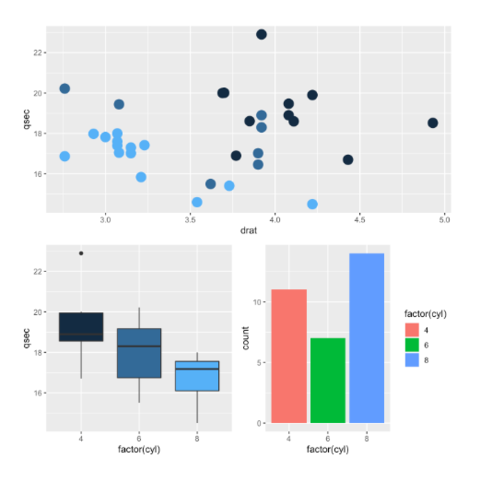
ggplot2 builds charts through layers using geom_ functions. Here is a list of the different available geoms. Click one to see an example using it.

geom_bar geom_bin geom_boxplot geom_density geom_error geom_hex geom_hist geom_hline geom_jitter geom_label geom_line geom_point geom_polygon geom_rect geom_ribbon geom_rug geom_segment geom_smooth geom_text geom_tile geom_violin geom_vline
Annotation with ggplot2

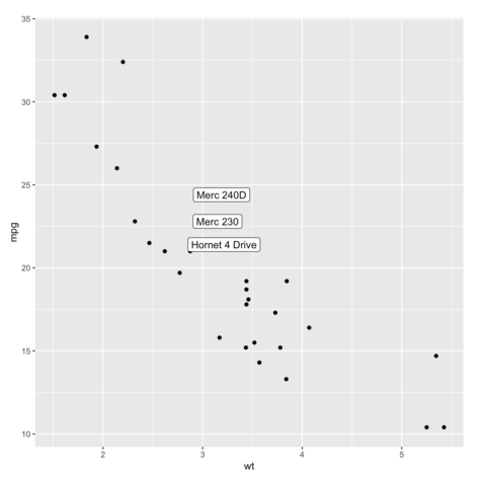
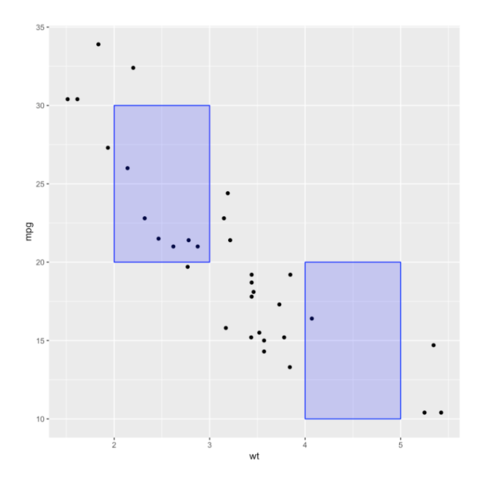
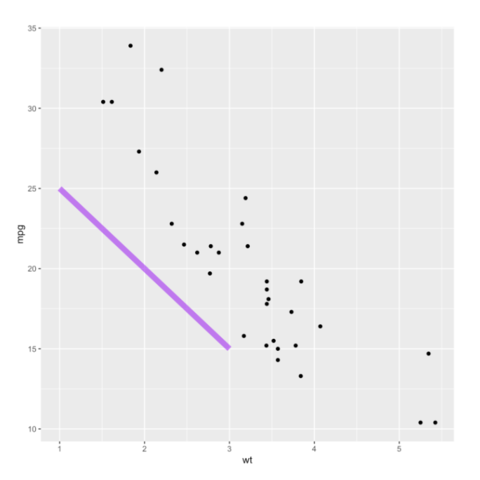
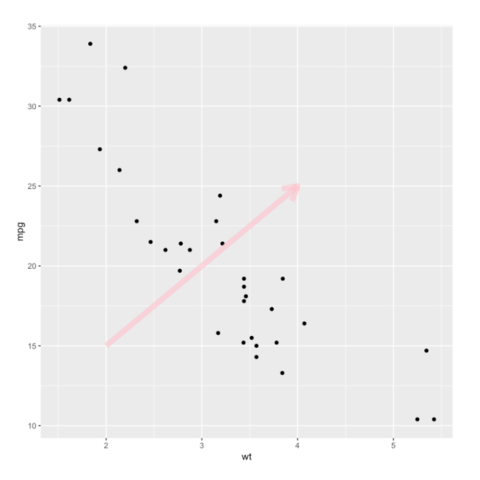
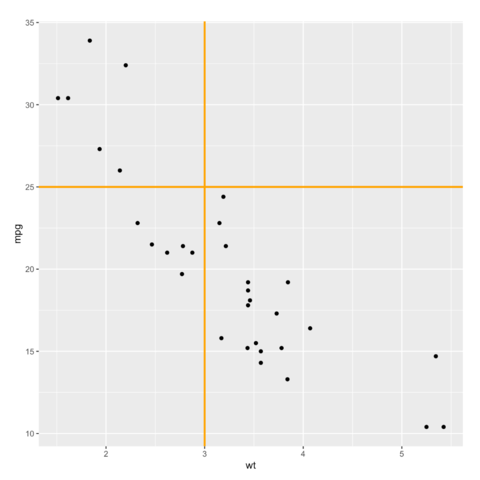
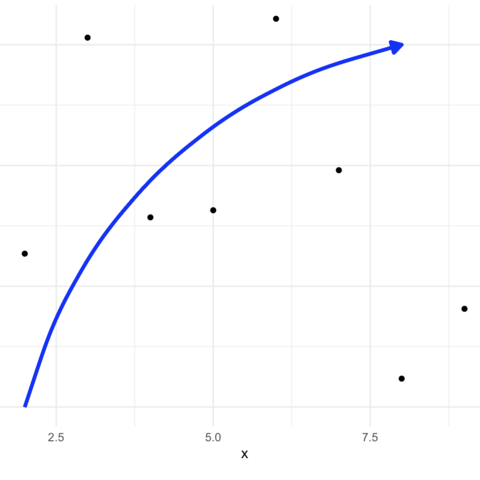
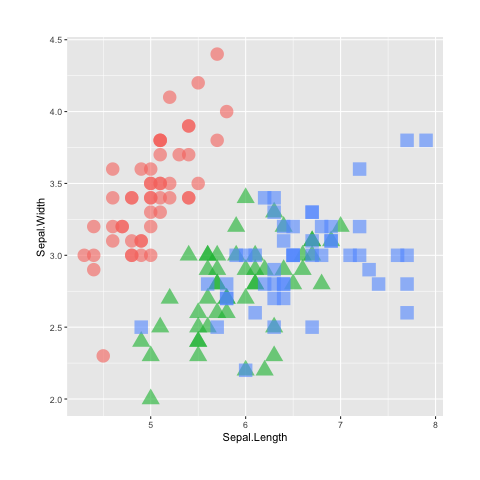
Annotation is a key step in data visualization. It allows to highlight the main message of the chart, turning a messy figure in an insightful medium. ggplot2 offers many function for this purpose, allowing to add all sorts of text and shapes.


Marginal plot

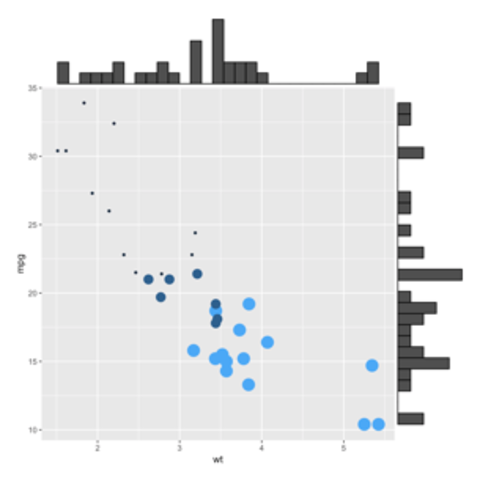
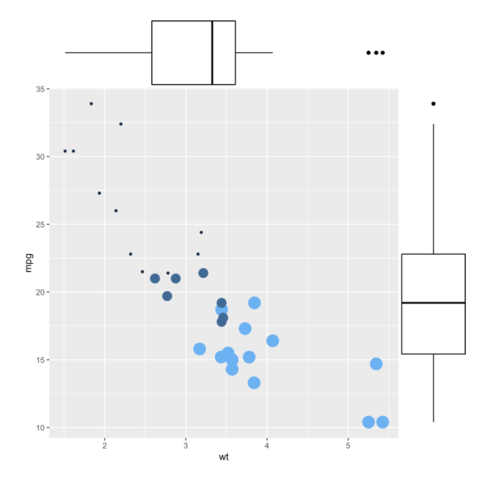
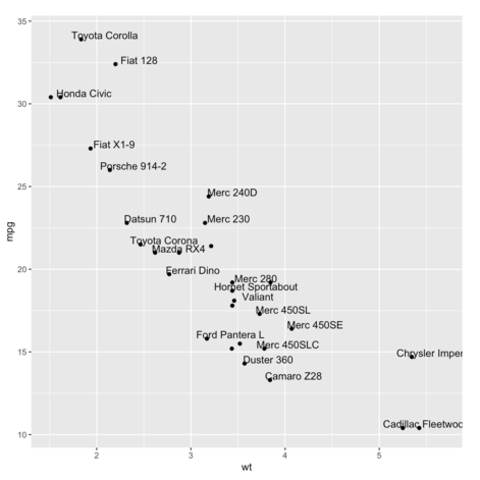
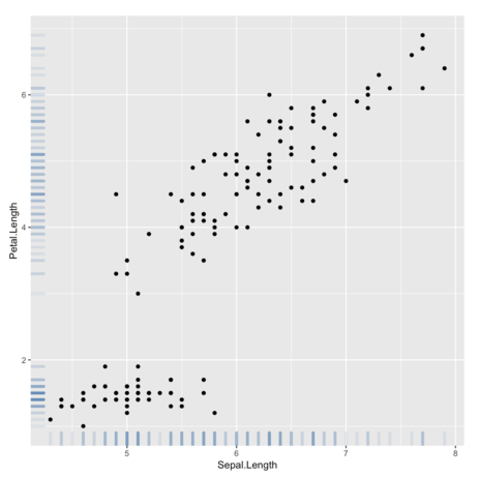
Marginal plots are not natively supported by ggplot2, but their realisation is straightforward thanks to the ggExtra library as illustrated in graph #277.


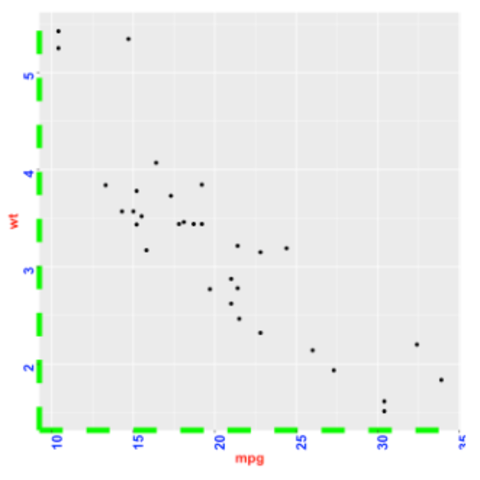
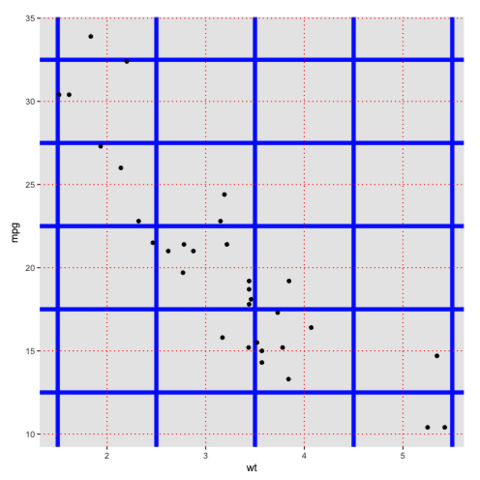
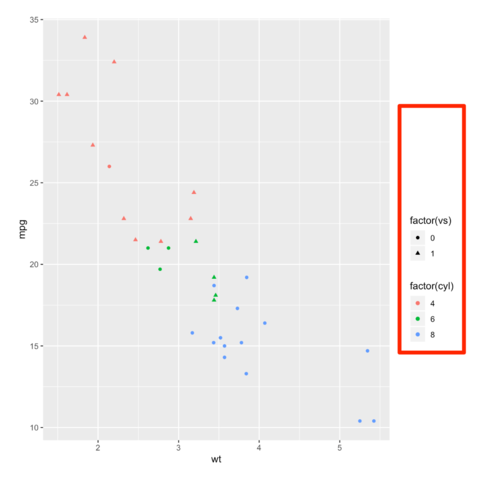
ggplot2 chart appearance

The theme() function of ggplot2 allows to customize the chart appearance. It controls 3 main types of components:

Re-ordering with ggplot2


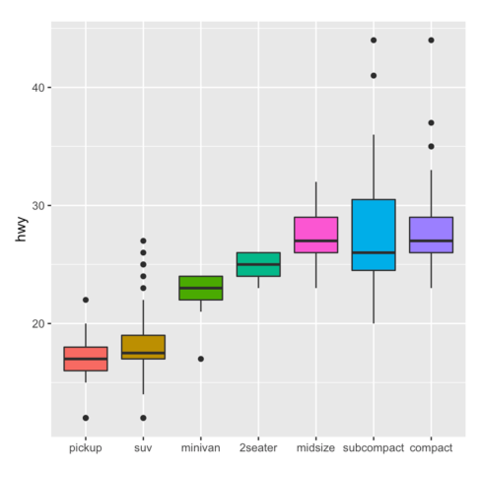
When working with categorical variables (= factors), a common struggle is to manage the order of entities on the plot.

Post #267 is dedicated to reordering. It describes 3 different way to arrange groups in a ggplot2 chart:


Read post
Tidyverse

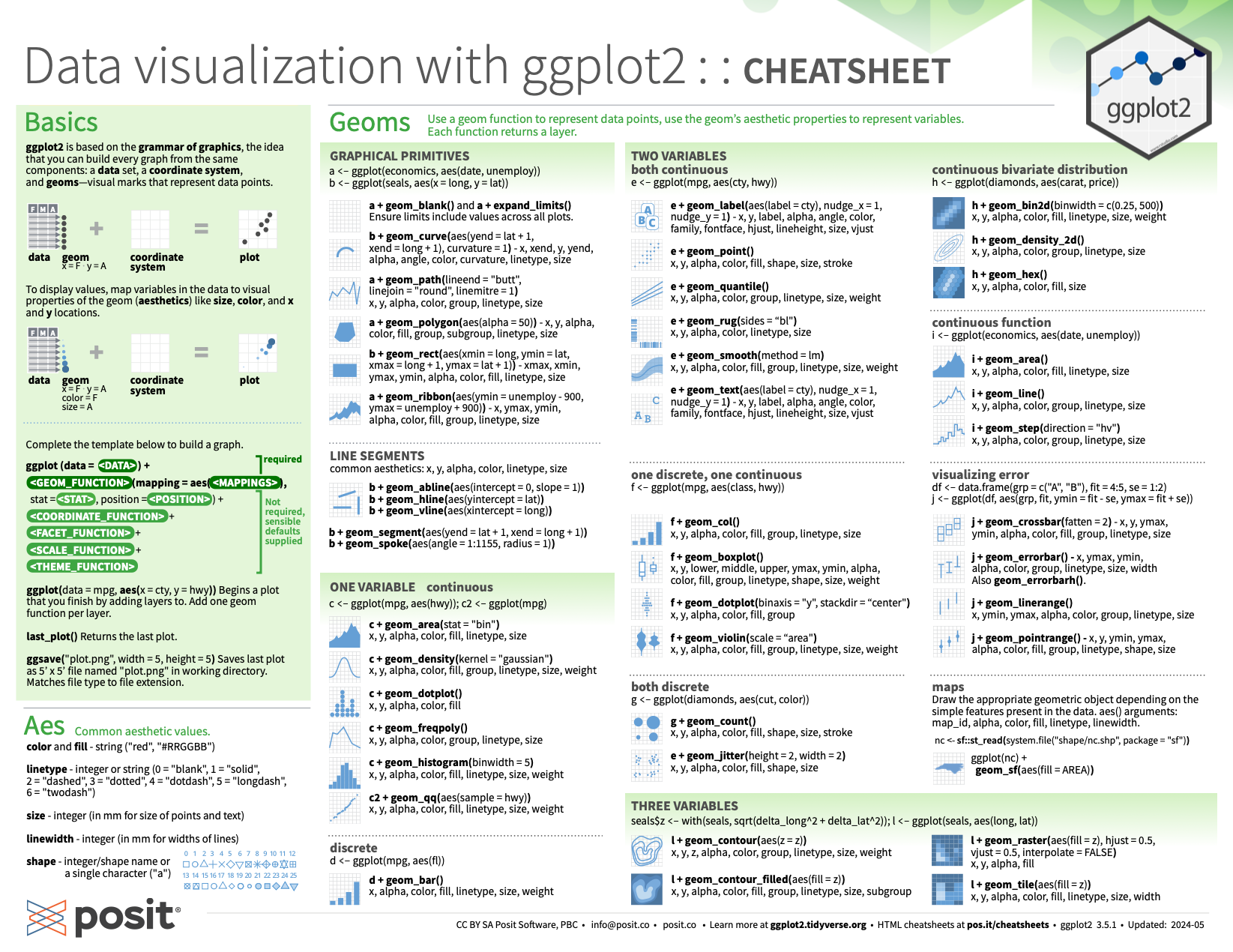
Here’s the official ggplot2 cheatsheet created by Posit. It covers all the key concepts of the library.

I've also compiled it with the most useful R and data visualization cheatsheets into a single PDF you can download:

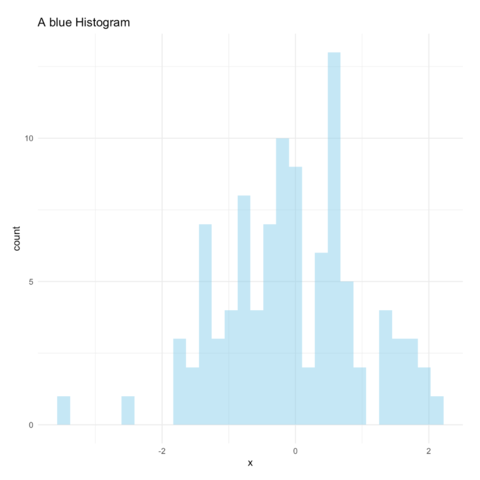
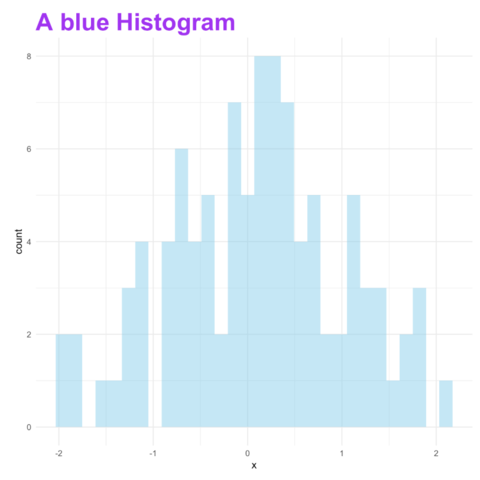
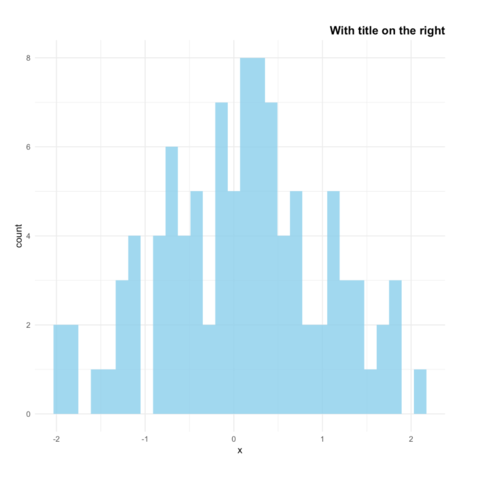
ggplot2 title

The ggtitle() function allows to add a title to the chart. The following post will guide you through its usage, showing how to control title main features: position, font, color, text and more.


Use custom fonts with ggplot2

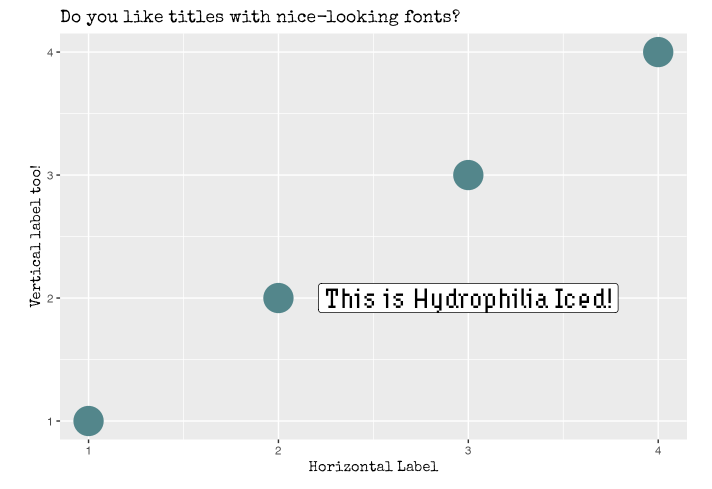
If you don't want your plot to look like any others, you'll definitely be interested in using custom fonts for your title and labels! This is totally possible thanks to 2 main packages: ragg and showtext. The blog-post below should help you using any font in minutes.


Small multiples: facet_wrap() and facet_grid()

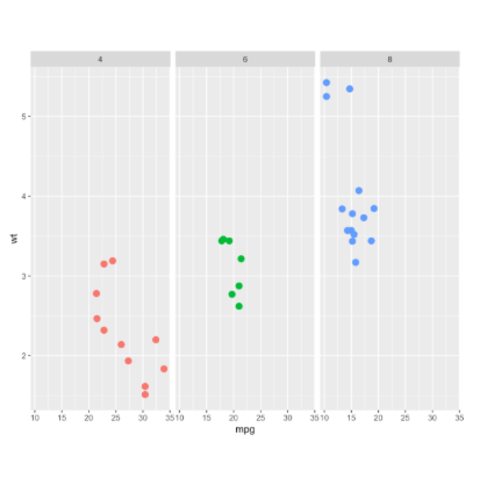
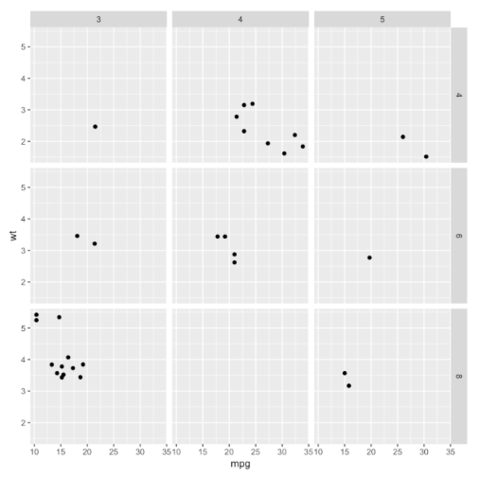
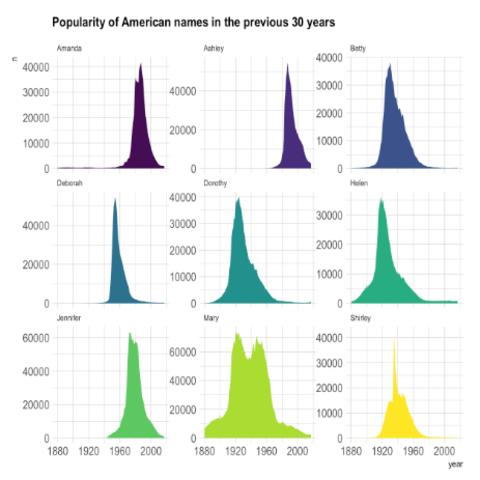
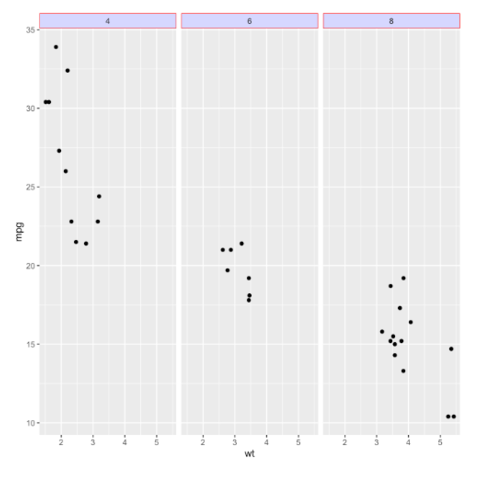
Small multiples is a very powerful dataviz technique. It split the chart window in many small similar charts: each represents a specific group of a categorical variable. The following post describes the main use cases using facet_wrap() and facet_grid() and should get you started quickly.

A set of pre-built themes

It is possible to customize any part of a ggplot2 chart thanks to the theme() function. Fortunately, heaps of pre-built themes are available, allowing to get a good style with one more line of code only. Here is a glimpse of the available themes. See code

Wwwpappu Mobi Desi Auntycom Hot !!link!!

: Eating while sitting cross-legged on the floor aids digestion.

Globally, Indian cooking has stepped away from the reductive "curry powder" stereotype. The world is beginning to recognize Indian cuisine for what it truly is: a sophisticated, highly regional, and scientifically balanced lifestyle system designed to nourish both body and soul.

During Diwali (the festival of lights), homes are filled with the aroma of frying samosas and the preparation of mithai (sweets) shared among neighbors. During Eid , the slow-cooking of Haleem and Biryani takes center stage. Pongal and Makar Sankranti , the harvest festivals, celebrate the first yield of rice and sugarcane cooked in open pots. The Paradox of Fasting ( Vrat )

No appliance has changed Indian cooking more than the pressure cooker. The traditional handi (clay pot) took 3 hours for lentil stew. The cooker does it in 15 minutes. Purists lament the loss of "slow love," but pragmatists argue that the cooker allows working parents to still make rajma (kidney bean curry) on a Tuesday night.

Related chart types


wwwpappu mobi desi auntycom hot
Ggplot2
wwwpappu mobi desi auntycom hot
Animation
wwwpappu mobi desi auntycom hot
Interactivity
wwwpappu mobi desi auntycom hot
3D
wwwpappu mobi desi auntycom hot
Caveats
wwwpappu mobi desi auntycom hot
Data art