

The narrative of the "aging actress" is undergoing a radical transformation. For decades, Hollywood operated under an unspoken expiration date for women, often sidelining them once they hit forty. Today, mature women are not just appearing in cinema and entertainment; they are commanding the industry as power players, producers, and box-office draws. The Evolution of the "Silver Screen"
While Hollywood often commands the spotlight, a parallel revolution is unfolding in global cinema, particularly in Bollywood. Once considered a gamble, films centered on middle-aged women are now dominating the conversation. Sridevi’s English Vinglish broke the mold over a decade ago, proving that audiences were hungry for nuanced female stories. Since then, streaming giants like JioHotstar, Netflix, and ZEE5 have become fertile ground for narratives featuring powerful older women navigating layered personal and professional terrains. Sushmita Sen’s Aarya , a mother caught between morality and crime, and Dimple Kapadia’s fierce drug matriarch in Saas Bahu Aur Flamingo are roles that would have been unthinkable a generation ago. In South Korea, shows like The Art of Sarah (2026) feature morally gray female leads who are controlled, deliberate, and always ten steps ahead, redefining the archetype of the Asian female protagonist.
Several interconnected factors have fueled this cinematic renaissance: 1. The Streaming Boom and Content Variety
Despite these challenges, the narrative is shifting as mature women demand—and receive—more multi-layered roles.
: Produced by and starring Frances McDormand in her sixties, the film swept the Oscars, proving that raw, unvarnished stories of older women resonate on a universal scale.
Moreover, a recent ReFrame report on gender-balanced hiring in 2025's top 100 films captured the first major drop in six years, with the number of women directors falling from 20 in 2023 to just 11 in 2025, and lead roles for women hitting a seven-year low. This isn't progress; it's a reversal, showing how fragile these gains remain.
The modern landscape tells a completely different story. Actresses like Michelle Yeoh, Viola Davis, Cate Blanchett, and Nicole Kidman are delivering the most complex, physically demanding, and critically acclaimed performances of their careers well into their 50s and 60s. Yeoh’s historic Academy Award win for Everything Everywhere All at Once proved that a mature Asian woman could anchor a high-concept, martial-arts-heavy sci-fi blockbuster to massive commercial success.
The shift in entertainment is not merely altruistic; it is deeply financial. Women over 40 represent a massive, affluent consumer demographic with significant purchasing power.


The narrative of the "aging actress" is undergoing a radical transformation. For decades, Hollywood operated under an unspoken expiration date for women, often sidelining them once they hit forty. Today, mature women are not just appearing in cinema and entertainment; they are commanding the industry as power players, producers, and box-office draws. The Evolution of the "Silver Screen"
While Hollywood often commands the spotlight, a parallel revolution is unfolding in global cinema, particularly in Bollywood. Once considered a gamble, films centered on middle-aged women are now dominating the conversation. Sridevi’s English Vinglish broke the mold over a decade ago, proving that audiences were hungry for nuanced female stories. Since then, streaming giants like JioHotstar, Netflix, and ZEE5 have become fertile ground for narratives featuring powerful older women navigating layered personal and professional terrains. Sushmita Sen’s Aarya , a mother caught between morality and crime, and Dimple Kapadia’s fierce drug matriarch in Saas Bahu Aur Flamingo are roles that would have been unthinkable a generation ago. In South Korea, shows like The Art of Sarah (2026) feature morally gray female leads who are controlled, deliberate, and always ten steps ahead, redefining the archetype of the Asian female protagonist.
Several interconnected factors have fueled this cinematic renaissance: 1. The Streaming Boom and Content Variety
Despite these challenges, the narrative is shifting as mature women demand—and receive—more multi-layered roles.
: Produced by and starring Frances McDormand in her sixties, the film swept the Oscars, proving that raw, unvarnished stories of older women resonate on a universal scale.
Moreover, a recent ReFrame report on gender-balanced hiring in 2025's top 100 films captured the first major drop in six years, with the number of women directors falling from 20 in 2023 to just 11 in 2025, and lead roles for women hitting a seven-year low. This isn't progress; it's a reversal, showing how fragile these gains remain.
The modern landscape tells a completely different story. Actresses like Michelle Yeoh, Viola Davis, Cate Blanchett, and Nicole Kidman are delivering the most complex, physically demanding, and critically acclaimed performances of their careers well into their 50s and 60s. Yeoh’s historic Academy Award win for Everything Everywhere All at Once proved that a mature Asian woman could anchor a high-concept, martial-arts-heavy sci-fi blockbuster to massive commercial success.
The shift in entertainment is not merely altruistic; it is deeply financial. Women over 40 represent a massive, affluent consumer demographic with significant purchasing power.
Ligeti and mathematics
The renowned mathematician Heinz-Otto Peitgen talks about his friendship with György Ligeti, the composer's interest in mathematics and the discoveries of chaos theory.

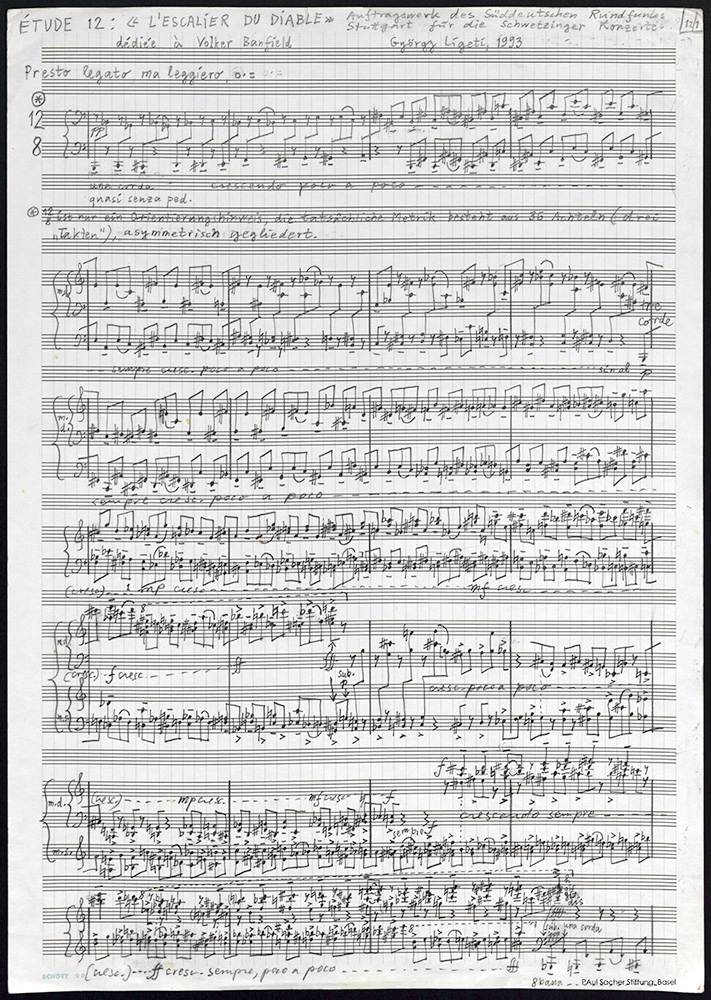
First page of the autograph fair score of L’escalier du diable (Paul Sacher Foundation, Basel).
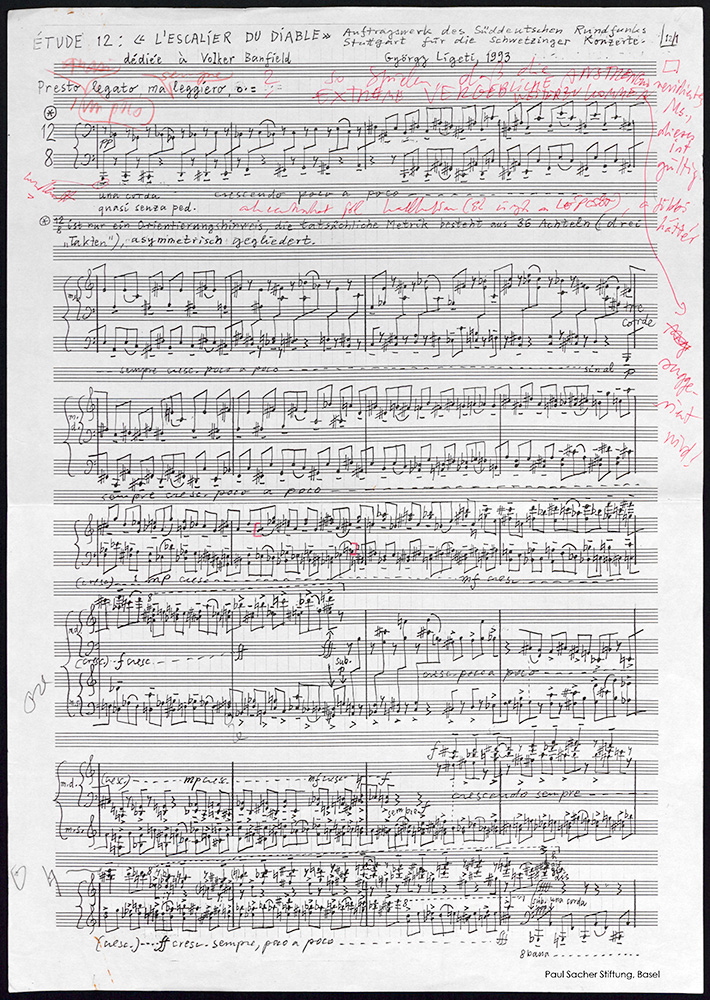
Copy of the autograph fair score of L'escalier du diable, with annotations by the composer, page 1 (detail), Paul Sacher Foundation, Basel. The inscription in the right-hand margin reads 'revised MS, this is authoritative'.
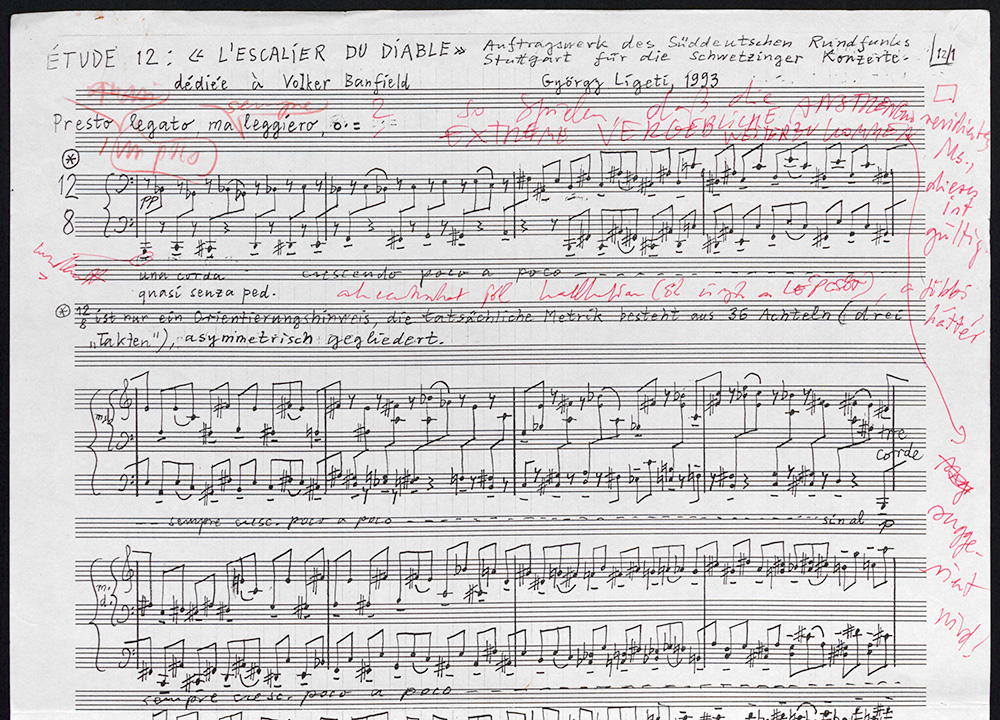
Copy of the autograph fair score of L'escalier du diable, with annotations by the composer, page 1 (detail), Paul Sacher Foundation, Basel. The inscription in the right-hand margin reads 'revised MS, this is authoritative'. sleep sins milf
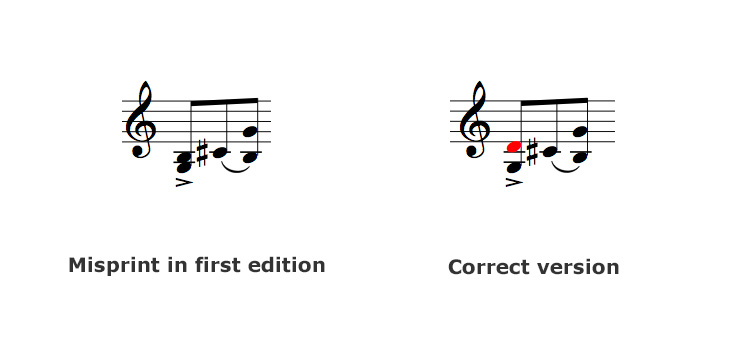
Bar 7-2: György Ligeti: Étude 13, bar 7/2, left hand, 9th – 11th quaver (eighth note)
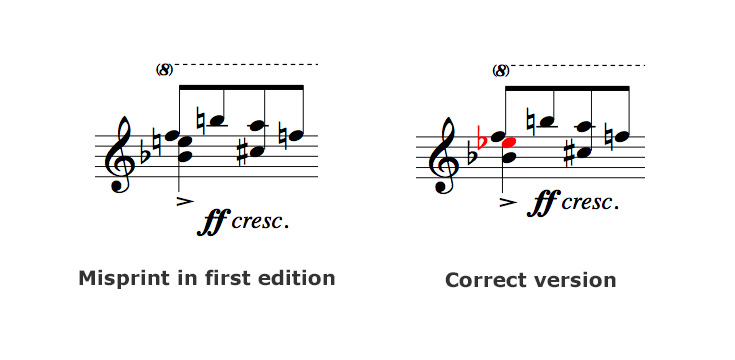
Bar 36-3: György Ligeti: Étude 13, bar 36/3, right hand, 9th – 12th quaver (eighth note) The narrative of the "aging actress" is undergoing
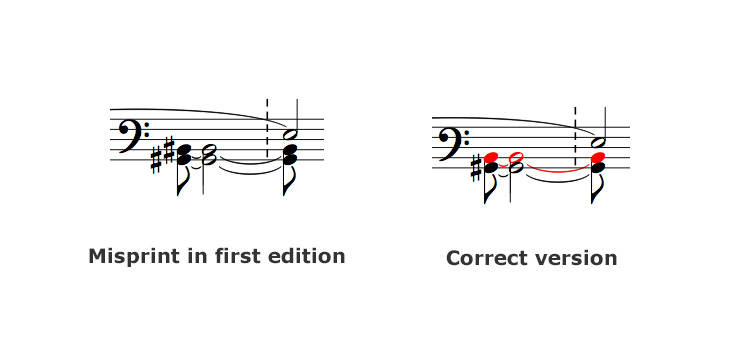
Bar 41: György Ligeti: Étude 13, bar 41/1, left hand, 8th – 12th quaver (eighth note)
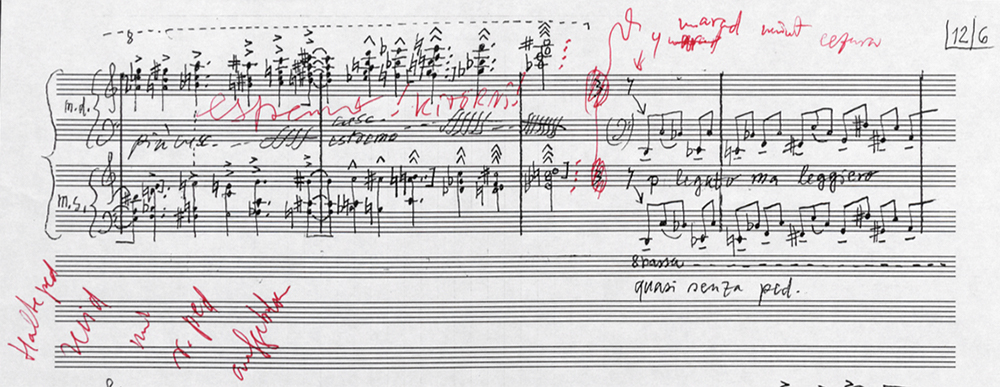
Copy of the autograph fair score of L’escalier du diable, with annotations by the composer, page 6 (detail), Paul Sacher Foundation, Basel. The Evolution of the "Silver Screen" While Hollywood
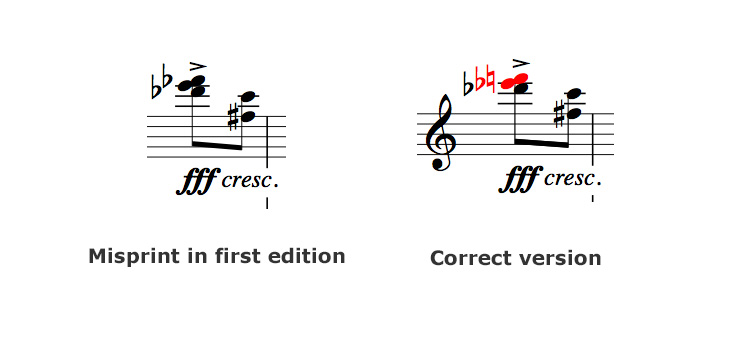
Bar 45-3: György Ligeti: Étude 13, bar 45/3, right hand, 11th – 12th quaver (eighth note)
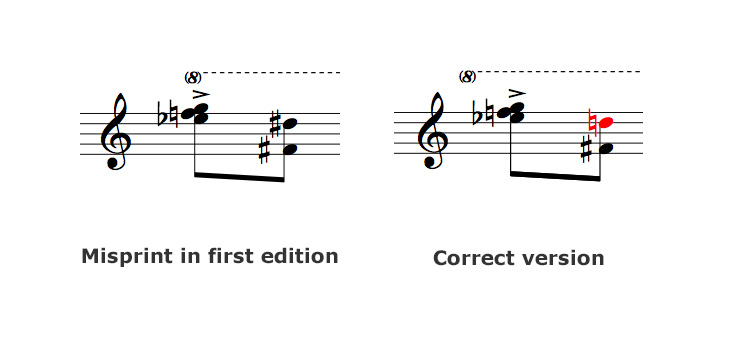
Bar 46-1a: György Ligeti: Étude 13, bar 46/1, right hand, 3th – 4th quaver (eighth note)
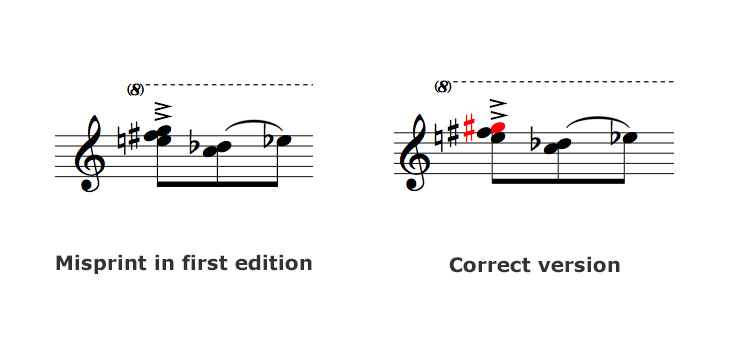
Bar 46-1b: György Ligeti: Étude 13, bar 46/1, right hand, 5th – 7th quaver (eighth note)