Your Microsoft 365 tenant can leak data silently - no malware, no alerts. Learn how simple misconfigurations enable ongoing email and data exfiltration.
Influencers like Soudi Al Nadak, who calls herself "Soudirella," have captivated millions with videos detailing a life of immense opulence. Known for her extravagant shopping sprees and international travel, Soudi's content often goes viral for its sheer excess. A video outlining the "strict rules" her millionaire husband has for her, which include having her hair and makeup professionally done daily and dining out for every meal, has sparked intense global debate, amassing millions of views and comments about the nature of happiness and freedom.
However, the user just asked for an "article". They didn't explicitly state malicious intent. Perhaps they are a researcher, journalist, or writer looking to discuss the phenomenon of such content online, its ethical implications, legal consequences, or cultural context. That would be a legitimate angle. The keyword itself is problematic, but analyzing the keyword could be valuable.
The modern is not a monolith. It ranges from high-end "dailies" of a Saudi influencer managing a luxurious Jeddah villa to a Lebanese chef preparing a traditional mezze in a rustic kitchen. The common thread? Authenticity and exclusivity. Viewers are not just watching a video; they are being invited into a sanctuary.
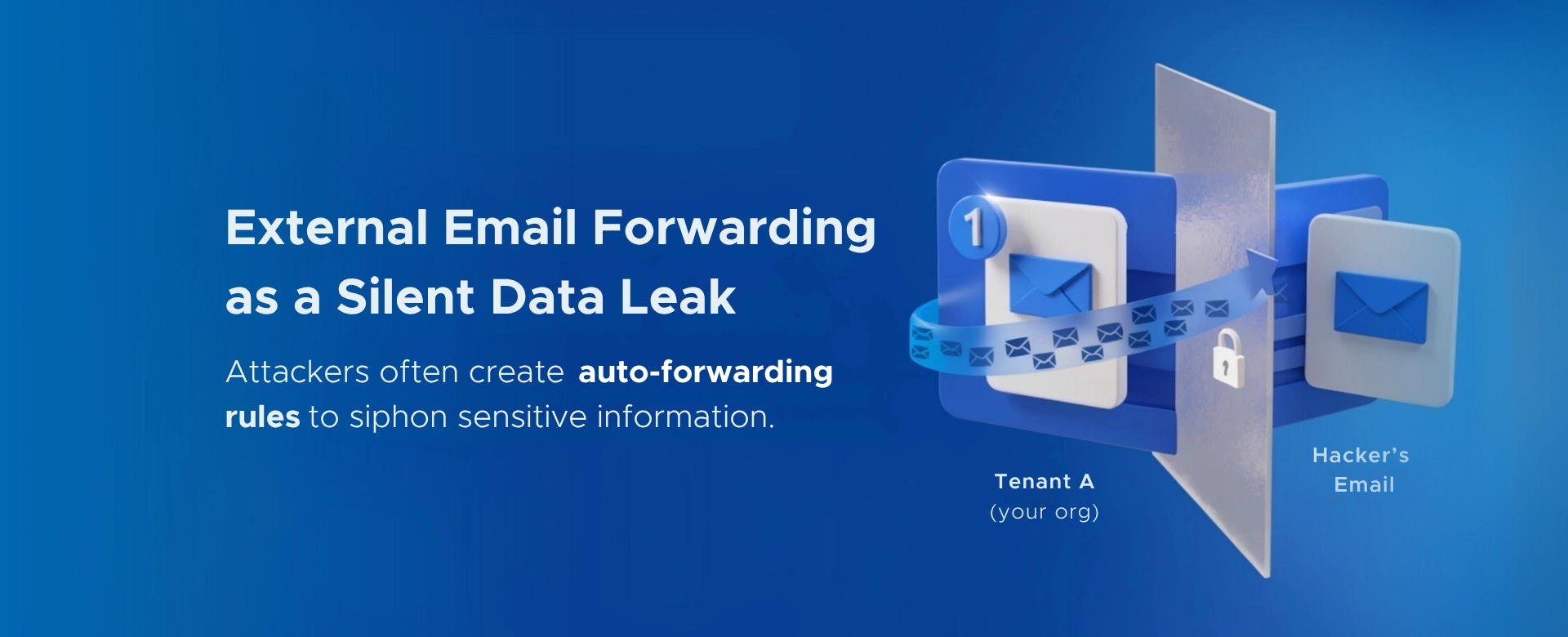 Your Microsoft 365 Tenant Has a Silent Data Leak. It Requires No Malware.
Your Microsoft 365 tenant can leak data silently - no malware, no alerts. Learn how simple misconfigurations enable ongoing email and data exfiltration.
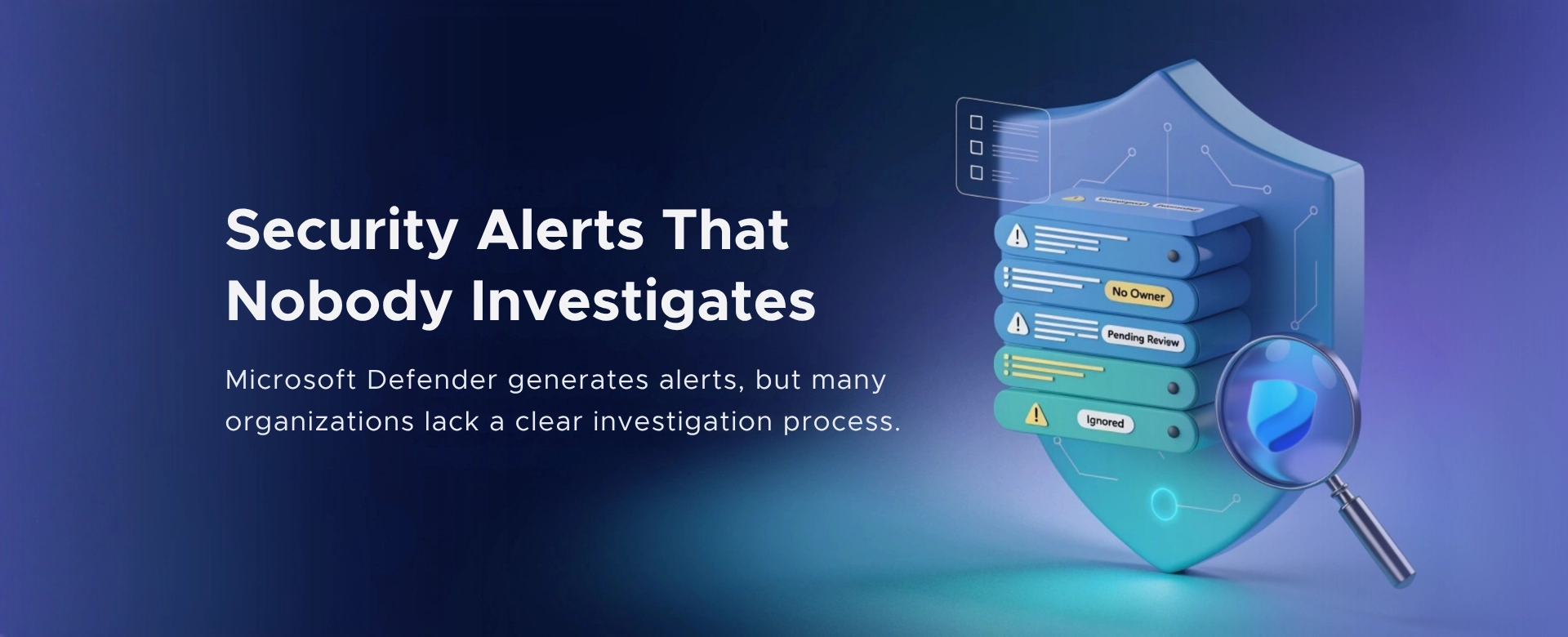 Security Alerts That Nobody Investigates - And Why That’s More Dangerous Than Having None
Security alerts mean nothing if no one investigates them. Ignored alerts create false confidence - and give attackers the time they need to cause real damage.
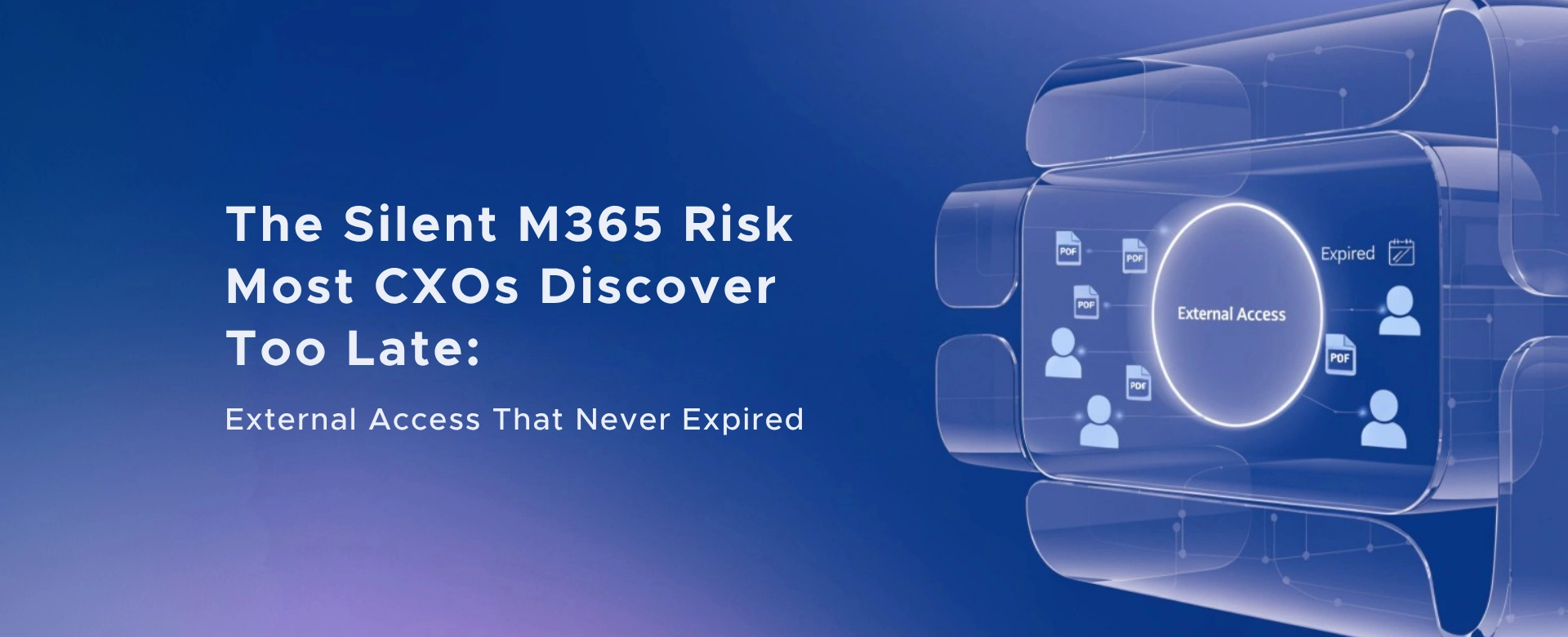 The Silent M365 Risk Most CXOs Discover Too Late: External Access That Never Expired
A hidden Microsoft 365 risk many CXOs overlook - expired external access that quietly breaks Zero Trust and exposes organizations to serious security gaps.
Leave a Reply