Desi Aunty Removing Saree Blouse Bra Underwear Step By Step Photos !full!
Easily manage and swap NVIDIA DLSS versions for optimal gaming performance
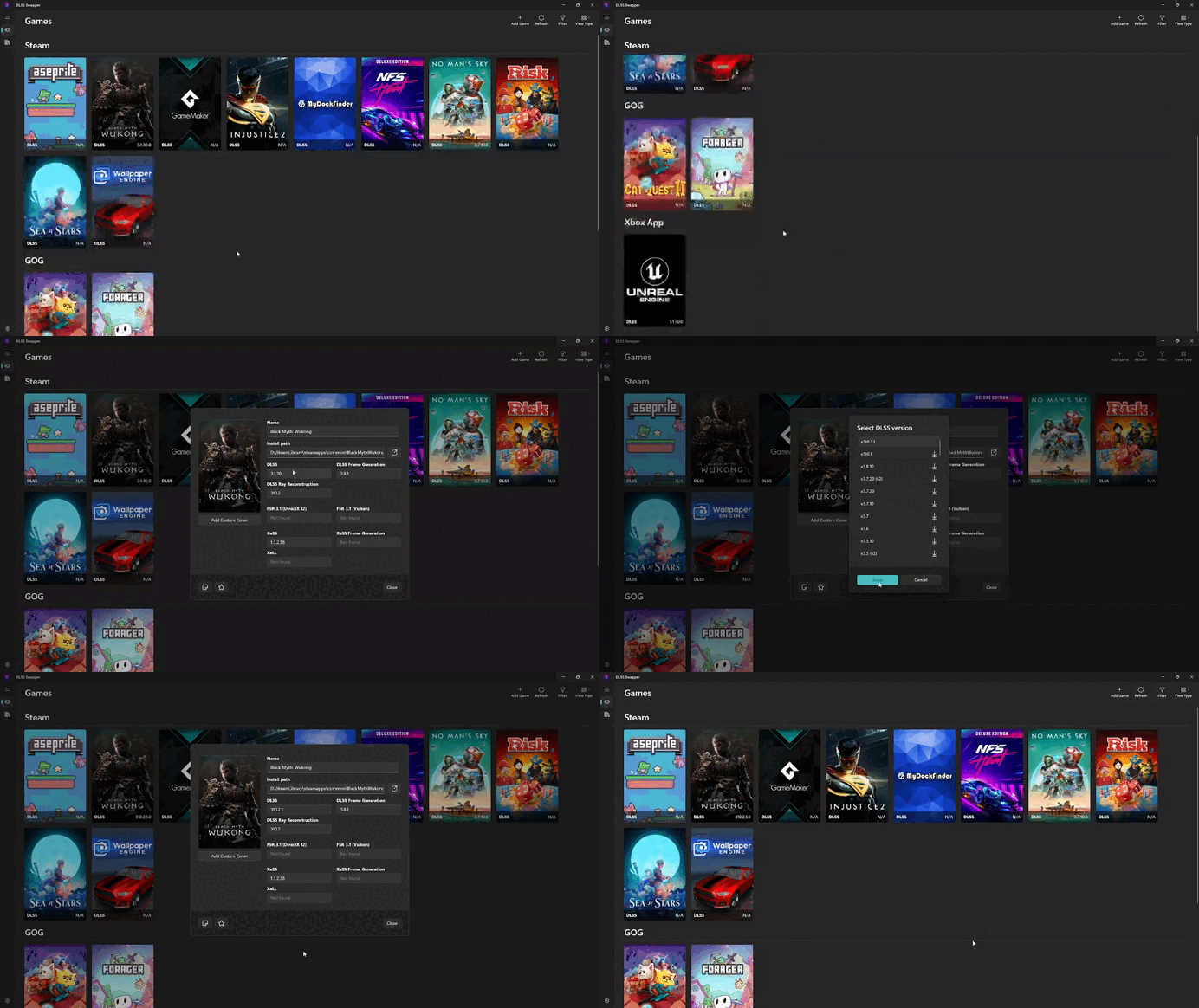
Easily manage and swap NVIDIA DLSS versions for optimal gaming performance
DLSS Swapper is an open-source tool designed to allow users to easily swap between different versions of NVIDIA's Deep Learning Super Sampling (DLSS) technology in games. This tool enables gamers to optimize their gaming experience by upgrading or downgrading the DLSS version used in a game, which can improve performance, image quality, or compatibility.
What sets DLSS Swapper apart is its comprehensive support for multiple upscaling technologies. Beyond NVIDIA DLSS, it also supports AMD FSR 3.1 and Intel XeSS upscaling libraries, making it a versatile tool for managing various upscaling technologies in games.
Switch between different DLSS versions to achieve the best balance of performance and visual fidelity
Automatically detects installed DLSS version in games, no manual file searching needed
Automatic backup system ensures your game files are always protected
Swap DLSS versions with a single click, making experimentation easy
Compare and test different DLSS versions in real-time for optimal performance
Clean and intuitive interface accessible to both beginners and advanced users
Go to DLSS-Swapper.Com and download the latest version. Choose between an installer or portable version.
Run the installer for a full installation, or extract the portable version to any folder of your choice.
Launch the application and it will automatically detect your installed DLSS-enabled games.
Select a game, choose your preferred DLSS version, and click to apply the changes.
[Insert photos of a saree being removed]
The saree is a 9-yard long piece of fabric draped around the body in various styles. It's an integral part of Indian culture and is often worn on special occasions. Before we dive into the step-by-step process, let's appreciate the complexity and beauty of the saree.
Blessed with fertile river deltas, the Eastern states, particularly West Bengal, center their diet around rice and fish ( machher jhol ). Mustard oil is the primary cooking medium, giving dishes a sharp, pungent kick. Eastern traditions are also world-renowned for milk-based sweets like rasgulla and sandesh. [Insert photos of a saree being removed] The
In Ayurveda, food is viewed as medicine. The concept of Ahara (diet) teaches that what we consume directly impacts not only our physical health but also our mental and emotional well-being. Ingredients are chosen and combined based on their energetic properties, categorized into three qualities or gunas :
| Region | Staple Grains | Signature Cooking Style | Famous Dish | | :--- | :--- | :--- | :--- | | | Wheat, Maize | Dairy-heavy (ghee, paneer, cream). Slow-cooked gravies with dried spices. | Butter Chicken, Naan | | South India | Rice, Millet | Fermentation (dosa, idli). Tempering (mustard seeds, curry leaves). Coconut milk base. | Masala Dosa, Sambar | | East India | Rice, Fish | Mustard oil. Minimal spice, maximum freshness. Sweet desserts based on chhena (fresh cheese). | Machher Jhol, Rasgulla | | West India | Millet (Bajra, Jowar), Rice | Peanut and sesame bases. Dry curries. Desert cuisine (using dried beans and milk). | Dhokla, Undhiyu | Blessed with fertile river deltas, the Eastern states,
The Indian way of life emphasizes community and the medicinal value of food: Hospitality (Atithi Devo Bhava):
While urban lifestyles have introduced fast food and time-saving appliances, there is a powerful counter-movement returning to ancestral roots. Organic farming, the revival of ancient grains like millets (sorghum, ragi, pearl millet), and the conscious rejection of processed oils in favor of cold-pressed oils or A2 ghee are reshaping modern Indian kitchens. In Ayurveda, food is viewed as medicine
The Indian calendar is a continuous cycle of festivals, and each celebration has its own dedicated menu. Food marks the changing of seasons and spiritual milestones. Festive Feasts